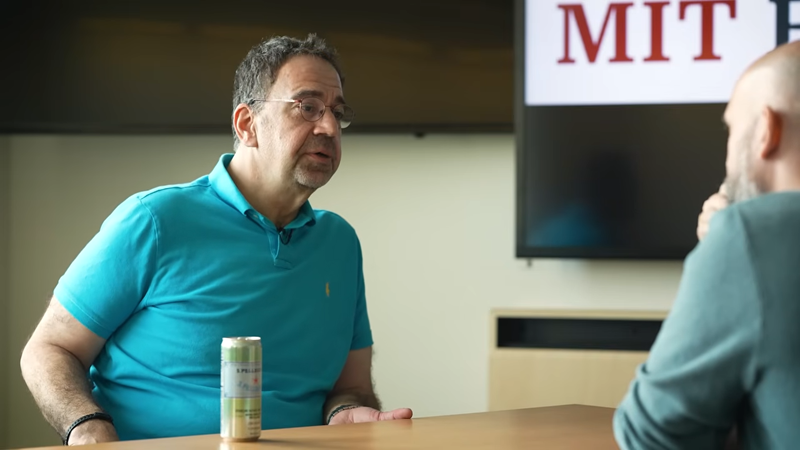
Choosing Between Automation and Pro-Worker AI
On July 16, 2026, Daron Acemoglu told Jon Hernandez AI that AI's economic consequences will depend on whether development prioritizes automation or expands workers' capabilities.
Read the analysisResearch archive
Formal research, analytical essays, open models, and research notes.
On July 16, 2026, Daron Acemoglu told Jon Hernandez AI that AI's economic consequences will depend on whether development prioritizes automation or expands workers' capabilities.
Read the analysis
On August 8, 2026, the Peter H. Diamandis show convened the Moonshots panel to examine accelerating AI research, autonomous agency, organizational disruption, and full-stack industrial infrastructure.
Read the analysis
On August 7, 2026, You’re the Voice guest Tomáš Sušánka argued that hardware-wallet security depends on complete implementation, active review, and controls that users can operate reliably.
Read the analysis
Over the past few days, the Coldcard failure has moved from an alarming report about a cluster of drained wallets to a much broader custody event.
Read the analysis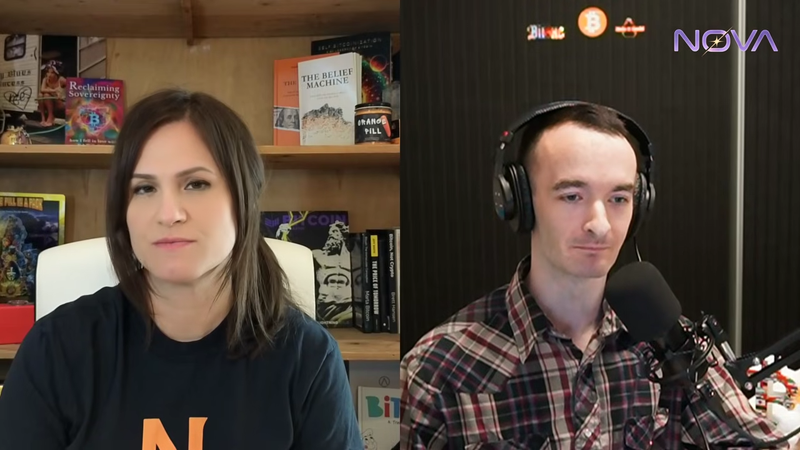
On August 5, 2026, The Bitcoin Nova featured Josh (Secure Sovereign) arguing that the Coldcard incident exposed a gap between Bitcoin’s self-custody ideals and its actual systems of verification.
Read the analysis
On August 4, 2026, Galaxy Grid featured a panel examining a reported Coldcard key-generation failure and the thefts linked to vulnerable Bitcoin wallets.
Read the analysis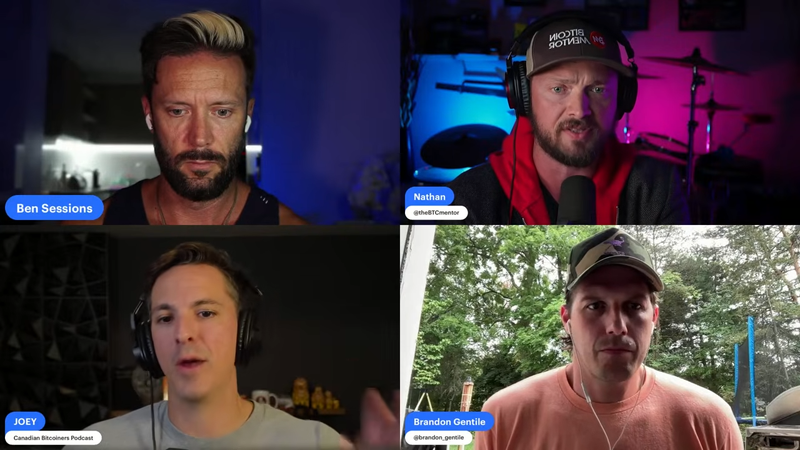
On August 5, 2026, BTC Sessions Bitcast convened Ben, Nathan, Joey, and Brandon to argue that AI-assisted attacks and vulnerability discovery are pressuring Bitcoin’s custody, service, and governance layers at once.
Read the analysis
The August 5, 2026 episode of The Cognitive Revolution features Zvi Mowshowitz analyzing recent frontier model misbehavior as ordinary alignment failure compounded by operator negligence.
Read the analysis
The aim of this paper is to give researchers and policymakers a common map for connecting partial measures of AI’s economic effects without treating technical capability, adoption, and public benefit as if they were the same thing.
Read the analysis
AI also changes the economics of scientific attention. Where generating plausible hypotheses becomes cheaper, the scarce resource shifts toward judgment.
Read the analysis
On the Moonshot podcast, Michael Kratsios, director of the White House OSTP, argues that declining US scientific productivity stems from outdated grant structures and review processes.
Read the analysis
A recent conversation about opposition to AI infrastructure tests—and sharpens—an argument in my draft chapter on Bitcoin mining.
Read the analysis